
.png)

%20(1).png)
What is JSA? (Job Safety Analysis)
Explore the importance of Job Safety Analysis in workplace safety. Learn how it identifies risks, enhances communication, and improves training for safer operations.
-1.png?width=40&name=Empowering%20Transformation%20-%20logo%20transition%20animation%20(7)-1.png)
SolidCAD 5 Jun 2026
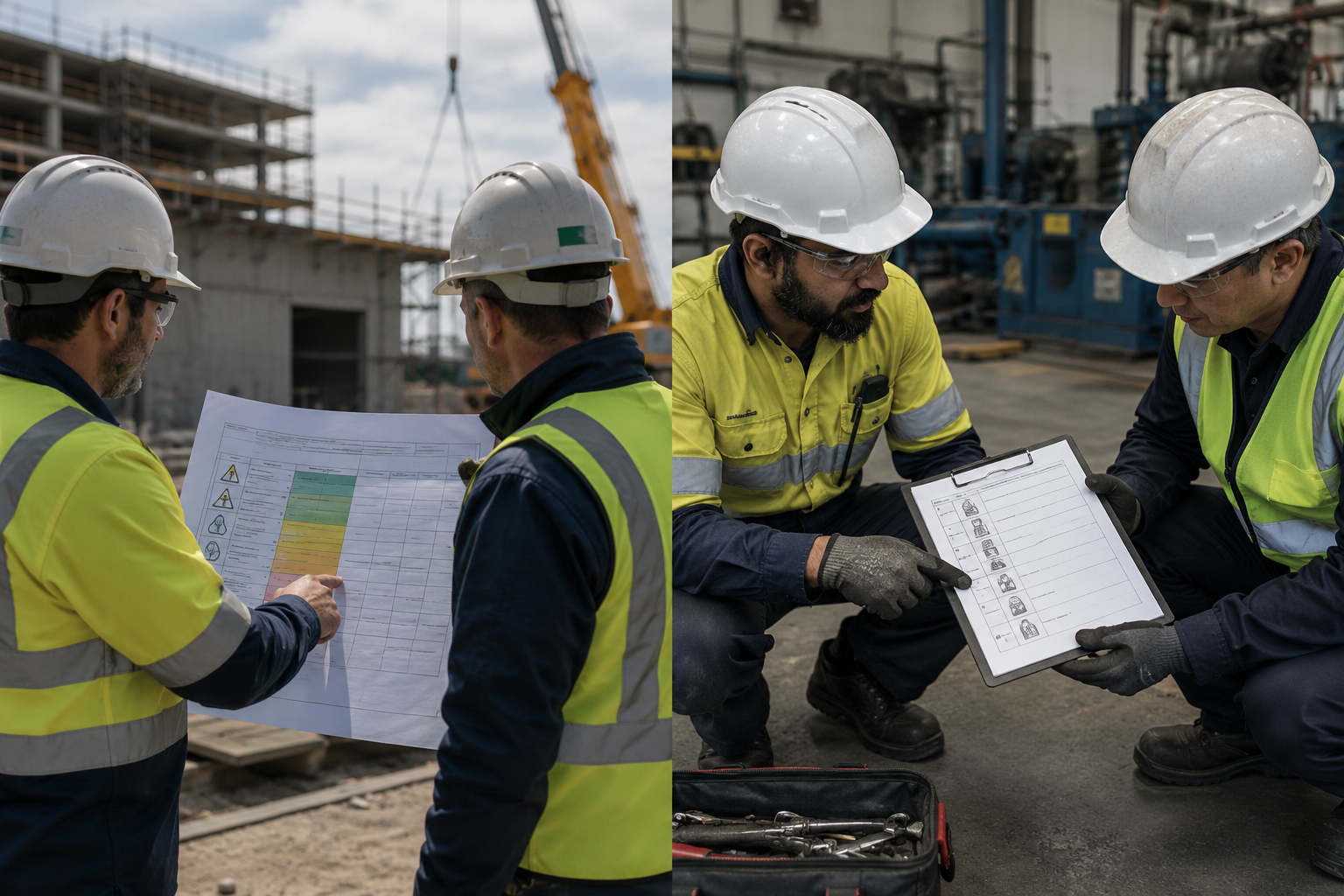
In any workplace where physical tasks, equipment, or complex environments are involved, safety begins long before the work itself. It begins with planning, awareness, and the discipline of asking a simple question: What could go wrong, and how do we prevent it?
One of the most effective tools organizations use to answer that question is the Job Safety Analysis (JSA).
A JSA provides a structured method for examining how work is performed and identifying potential hazards before they lead to accidents. By breaking tasks into clear steps and evaluating the risks associated with each one, organizations gain the insight needed to design safer procedures and protect their workforce.
Across industries such as construction, manufacturing, utilities, infrastructure, and maintenance operations, JSA has become a foundational element of modern safety management.
What is a Job Safety Analysis?
A Job Safety Analysis (JSA) is a systematic process used to evaluate the safety of a specific job or task. Its purpose is to identify hazards, assess the level of risk involved, and determine the safest way to perform the work.
The method works by dividing a job into individual steps and analyzing each stage of the process. Through this detailed review, organizations can identify hazards before they occur and implement controls that reduce the likelihood of injury or operational disruption.
JSA is sometimes referred to by other names, including:
- Job Hazard Analysis (JHA)
- Job Hazard Breakdown
- Task Safety Analysis (in some industries)
Regardless of the terminology, the objective remains the same: understanding how work happens in practice and designing safer ways to perform it.
The Anatomy of a JSA
A Job Safety Analysis follows a clear and methodical structure. By examining each stage of a job, organizations gain a deeper understanding of the risks embedded within everyday tasks.
Breaking Down the Job
The first step involves dividing the task into logical stages. Rather than examining the entire job at once, the process looks at each individual action required to complete the work. Whether the task involves operating equipment, handling materials, performing maintenance, or conducting inspections, every step is carefully documented. This structured breakdown allows teams to examine the task with precision and clarity.
Identifying Hazards
Once the steps are defined, potential hazards associated with each stage are identified.
Hazards may include:
- Physical risks such as falls, moving machinery, or electrical exposure
- Environmental conditions such as poor lighting, noise, or temperature extremes
- Chemical hazards involving fumes, liquids, or hazardous materials
- Ergonomic factors such as repetitive motion or improper lifting
The goal is to identify every condition that could potentially cause harm.
Evaluating Risk
After hazards are identified, the next step is evaluating their severity and likelihood. This risk assessment helps organizations determine which hazards require immediate attention and which control measures should be prioritized. By analyzing both probability and potential impact, safety teams can allocate resources where they matter most.
Implementing Control Measures
The final step is defining how the risks will be controlled.
These measures may include:
- Engineering controls that modify equipment or the workplace environment
- Administrative procedures such as revised work methods or scheduling adjustments
- Personal protective equipment (PPE) including gloves, helmets, eye protection, or respiratory gear
- Training programs to ensure employees understand safe procedures
Together, these controls establish the safest practical way to complete the task.
Why Job Safety Analysis Matters
Beyond hazard identification, JSA plays an important role in shaping workplace culture and operational awareness.
Stronger Safety Awareness
When workers participate in the JSA process, safety becomes personal rather than abstract. Employees who analyze their own tasks gain a deeper understanding of the risks involved and the precautions required. This involvement strengthens vigilance and encourages workers to actively contribute to safer operations. It also reinforces the idea that safety is a shared responsibility, not simply a management directive.
Clearer Communication
JSA creates a shared language around safety. By documenting tasks, hazards, and control measures, organizations provide workers and supervisors with a common framework for discussing risks. This clarity improves safety meetings, toolbox talks, and everyday operational communication. Open discussion about hazards also encourages employees to report concerns, suggest improvements, and collaborate on solutions.
A Powerful Training Tool
JSA is also an invaluable resource for training and onboarding. For new employees, documented JSAs provide step-by-step guidance on how tasks should be performed safely. They offer clarity about both procedures and potential hazards, allowing new hires to learn quickly and confidently. For experienced employees, JSAs help clarify complex or infrequent tasks that may not be performed regularly.
A Reference for Incident Investigation
When incidents or near misses occur, JSA provides investigators with an essential reference. By comparing the actual sequence of events with the documented procedure, safety teams can identify where breakdowns occurred. This analysis helps organizations understand root causes and strengthen safety controls moving forward. Near misses in particular can provide valuable insights. By examining these events through the lens of a JSA, companies can prevent more serious incidents before they occur.
The Benefits of Job Safety Analysis
When consistently applied, JSA delivers measurable improvements in workplace safety and operational clarity.
Key benefits include:
- Proactive hazard identification that prevents incidents before they occur
- Standardized work procedures that ensure consistency across teams
- Improved training resources that help employees understand safe practices
- Better safety inspections by providing a checklist for compliance and verification
- Real-time observation opportunities for supervisors to validate procedures and identify improvements
Over time, these benefits contribute to a stronger, more resilient safety culture.
Building Safer Work Through Analysis
A Job Safety Analysis is more than a document. It is a discipline that encourages organizations to pause, examine the work ahead, and design safer ways to complete it. By understanding the relationship between workers, tasks, tools, and environments, companies gain the clarity needed to prevent accidents rather than simply react to them. Organizations that integrate JSA into their daily operations empower employees, improve communication, and build systems that support both productivity and safety. Because in every workplace committed to excellence, safety begins with understanding the job before the work begins.
Unlock expert insights: connect with SolidCAD today!
Discover how SolidCAD Insights can accelerate your business growth and transformation. From industry trends to practical strategies, our experts are here to help. Contact us today to discuss your needs and explore solutions tailored to your business.
%20(3).png)