
.png)

%20(1).png)
Industry
SiteDocs: Incident Reporting: Turning Workplace Events into Safer Operations
How workplace incident reporting works, what belongs in an incident report, and how incident reporting software helps field teams capture events accurately and act on them faster.
-1.png?width=40&name=Empowering%20Transformation%20-%20logo%20transition%20animation%20(7)-1.png)
SolidCAD 20 Mar 2026
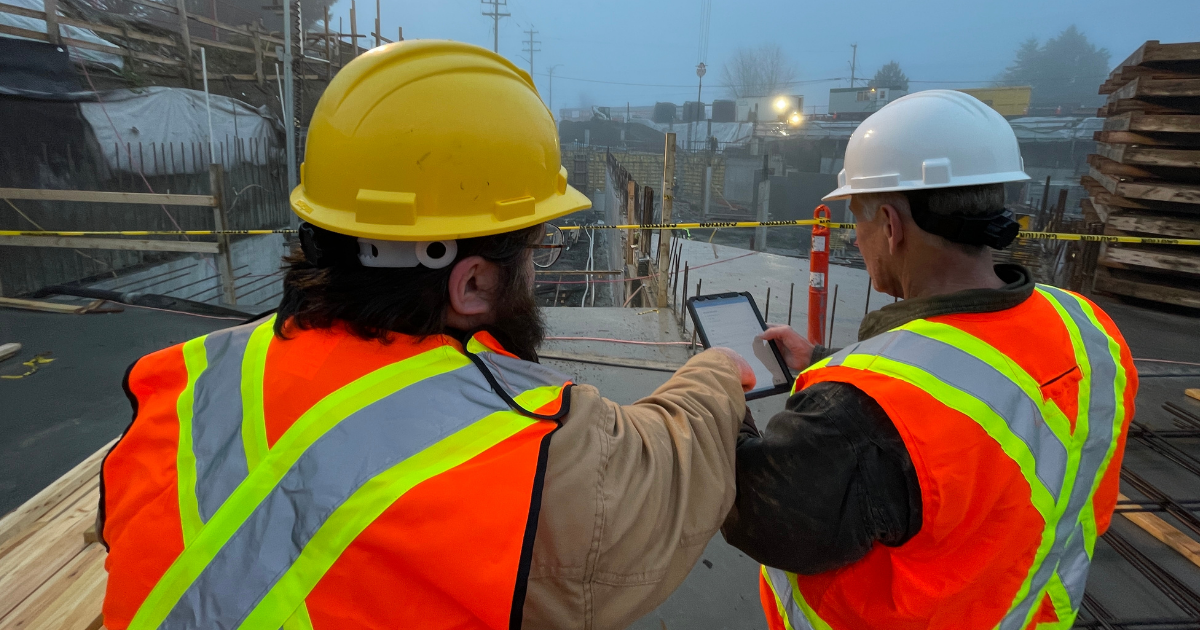
Safety rarely improves by accident. It improves when organizations take the time to understand what happened, why it happened, and what must change to prevent it from happening again.
Across industries such as construction, manufacturing, infrastructure, and energy, one of the most powerful tools for strengthening workplace safety is a well-designed incident reporting process. Far from being administrative paperwork, incident reports form the foundation of a learning system that helps organizations identify risk, improve procedures, and protect the people who keep operations moving.
At its core, incident reporting transforms isolated events into knowledge. Each report becomes part of a larger picture, allowing organizations to recognize patterns, address systemic weaknesses, and strengthen safety performance over time.
What Is an Incident Report?
An incident report is a structured account of an unexpected workplace event. This may include accidents, injuries, safety concerns, equipment failures, or near misses where harm was narrowly avoided.
Its purpose is simple but essential: to capture facts while they are still clear and reliable, creating a record that supports investigation, analysis, and continuous improvement.
A comprehensive report typically includes:
- Date, time, and location of the incident
- Clear description of what occurred
- Individuals involved, including witnesses
- Injuries sustained or medical attention required
- Contributing factors (equipment, environment, procedures, human factors)
- Immediate response actions taken
Equally important is documenting how the organization responded. Actions such as securing the area, notifying supervisors, or initiating corrective measures ensure transparency and accountability.
Incident reports serve a dual purpose: preserving facts and enabling learning.
Why Incident Reporting Matters
Organizations that treat incident reporting as a strategic function—not just a compliance requirement—gain valuable operational insight.
Over time, reporting reveals patterns that would otherwise go unnoticed:
- Repeated equipment failures
- High-risk tasks or workflows
- Hazard-prone locations within facilities
This visibility enables proactive action. Instead of reacting to major incidents, organizations can implement targeted improvements such as:
- Updated procedures
- Enhanced training programs
- Preventative maintenance
- Workplace design adjustments
Incident reporting also supports regulatory compliance by maintaining accurate records and demonstrating accountability.
Beyond compliance, it plays a critical cultural role. When employees see that reports lead to real action, trust increases. Reporting becomes a shared responsibility rather than a perceived risk.
Most importantly, effective reporting reduces long-term costs by preventing incidents that lead to:
- Medical expenses
- Operational disruptions
- Legal exposure
- Reputational damage
How an Effective Incident Reporting Process Works
A strong reporting process follows a clear and consistent sequence:
1. Identify the Incident
Recognize accidents, injuries, or near misses. Employees must understand what is reportable and feel empowered to act immediately.
2. Secure the Area
Prioritize safety. Shut down equipment, isolate hazards, or evacuate personnel as needed.
3. Document the Event
Record facts accurately and objectively. Focus on what happened—not interpretations.
4. Investigate the Incident
Gather evidence, interview witnesses, and analyze the sequence of events to determine root causes. This process must remain unbiased and focused on learning.
5. Implement Corrective Actions
Introduce improvements such as procedural updates, training, equipment fixes, or environmental changes.
6. Update the Report
Maintain a complete and accurate record as new information emerges.
7. Share Findings
Communicate lessons learned across teams to prevent recurrence and strengthen organizational knowledge.
Building a Safer Workplace Through Learning
Incident reporting is ultimately about understanding how systems, processes, and people interact.
Organizations that capture and analyze this data create a continuous feedback loop:
- Risks are identified earlier
- Responses become more targeted
- Confidence in safety systems increases
When reporting is embedded into daily operations, safety evolves from a reactive function into a proactive discipline.
Companies move beyond responding to incidents and begin designing environments where incidents are far less likely to occur.
Incident Reporting Software: Moving from Paper to Digital
Most incident reporting processes break down at the first step. A worker witnesses a near miss at the end of a shift, the form is back at the trailer, and by the time anyone writes it up the details have blurred — or it never gets reported at all.
Incident reporting software closes that gap by moving the report to where the incident happens. With a platform like SiteDocs, workers complete incident reports on a mobile device in the field, online or offline, with photos, GPS coordinates, and time stamps attached automatically. The report reaches the safety manager immediately rather than days later.
The compounding benefit is what happens to that data afterwards:
• Patterns become visible across sites, crews, and equipment rather than staying buried in individual paper forms
• Corrective actions can be assigned, tracked, and verified rather than relying on memory
• Records stay complete and audit-ready without reconstructing them before an inspection
• Near misses get reported more often, because reporting takes seconds rather than paperwork
That last point matters more than it sounds. Near misses are the cheapest safety lesson an organization will ever get, and they are the first thing to go unreported when reporting is inconvenient.
Closing
Ready to move incident reporting out of the paper binder? SiteDocs lets field teams report incidents and near misses from any device, online or offline, so nothing gets lost between the site and the office.
FAQ
What is an incident report?
An incident report is a structured record of an unexpected workplace event, including accidents, injuries, safety concerns, equipment failures, and near misses. It captures the facts of what happened while they are still clear and supports investigation and corrective action.
What should be included in an incident report?
A complete incident report includes the date, time, and location of the event; a clear factual description of what occurred; the individuals involved and any witnesses; injuries sustained or medical attention required; contributing factors such as equipment, environment, or procedures; and the immediate response actions taken.
What is the incident reporting process?
An effective process follows seven steps: identify the incident, secure the area, document the event factually, investigate to determine root causes, implement corrective actions, update the report as new information emerges, and share the findings across teams to prevent recurrence.
What is incident reporting software?
Incident reporting software lets workers submit incident and near-miss reports digitally from the field, usually on a mobile device, with photos, location, and time stamps captured automatically. It routes reports to safety managers immediately and builds a searchable record that reveals patterns across sites and crews.
Why is reporting near misses important?
A near miss reveals the same underlying risk as an incident, without anyone being harmed. Organizations that capture near misses can correct the conditions that caused them before the same situation produces an injury, which is why near-miss reporting rates are often a stronger safety indicator than injury counts.
How does incident reporting support regulatory compliance?
Accurate, complete incident records demonstrate that an organization identified events, investigated them, and acted on the findings. Digital reporting keeps those records consistent and retrievable, which is what regulators and auditors look for rather than reconstructed paperwork.
Unlock expert insights: connect with SolidCAD today!
Discover how SolidCAD Insights can accelerate your business growth and transformation. From industry trends to practical strategies, our experts are here to help. Contact us today to discuss your needs and explore solutions tailored to your business.
%20(3).png)